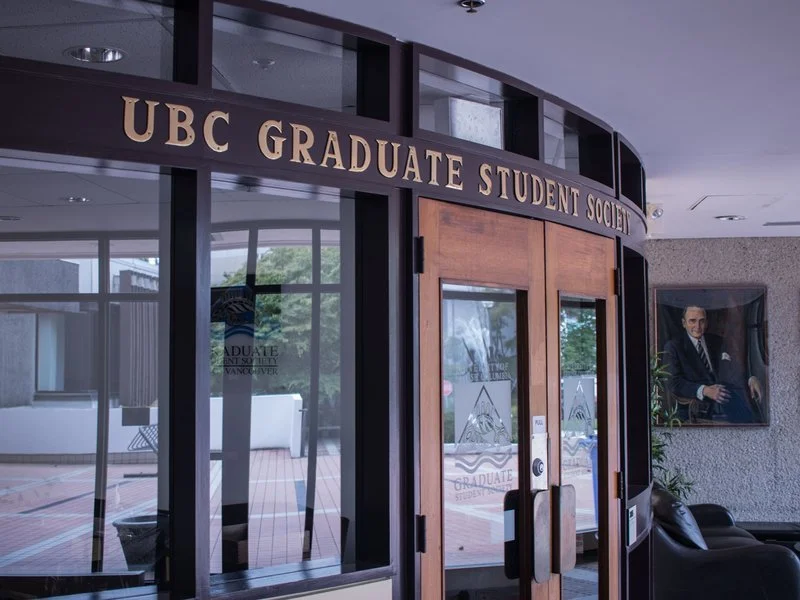
EDWARD for GSS President
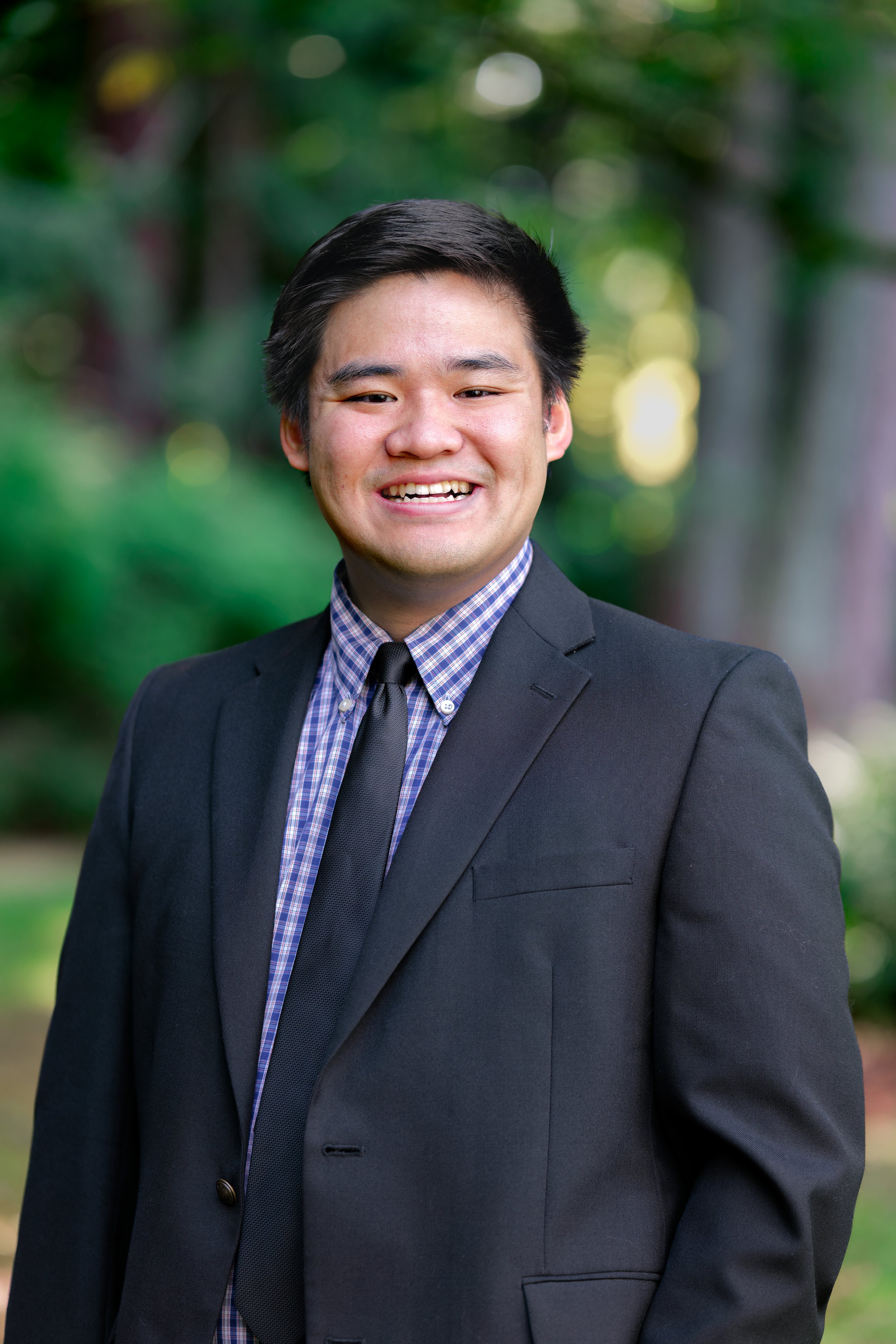
As a proven advocate and committed graduate student at UBC’s SPPGA, he is committed to affordability, championing labour rights, transparency and utilizing a proven record of representation in the face of the federal government.
Affordability. Accountability. Action.
Mission Statement
My name is Edward Yuan and I am running to lead a reimagining of the Graduate Student Society.
The Graduate Student Society must be more than a passive service provider or a limited advocacy organization. My goal is to transform the GSS into an active, member-driven organization dedicated to fighting for the material dignity of graduate students.
From better student housing contracts, to the unionization of Research Assistants, I want to hold UBC and the provincial government accountable to the researchers and students powers this university.
2026 is a pivotal year. The current GSS Strategic Plan(2022–2026) was designed during the pandemic, when stability was the priority. Today, graduate students face a different set of challenges, economic precarity, rising living costs, and increasing barriers to participation in academic life. The next phase must focus on accountability, representation, and structural reform.
Organizing for Students
-
Graduate students deserve to know how decisions that affect them are made both within the GSS and by the university administration.
Within the GSS, I will prioritize clear communication around budgets, governance decisions, and strategic priorities so students can easily understand how their fees are used and how decisions are made.
At the same time, the GSS must push for greater transparency from the university itself. Major decisions affecting graduate students, tuition increases, funding policies, and housing costs, are all made with limited clarity or consultation. As President, I will advocate for stronger transparency and accountability from the administration, while working with students to oppose unjustified tuition hikes and ensure graduate voices are represented in these decisions.
Transparency is essential to building trust and ensuring the GSS can effectively defend the interests of its members.
-
Research Assistants play a central role at UBC yet are refused the right to organize.
As President, I will support efforts by Research Assistants to organize and unionize. The GSS should stand alongside graduate workers seeking fair compensation, clear employment standards, and stronger protections in their working conditions.
This means advocating for transparency from the university regarding research employment practices, ensuring graduate students are informed about their rights, and supporting organizing efforts aimed at improving conditions for RAs across campus.
Graduate research is fundamental to UBC’s global reputation. The students who power that research deserve fair representation and a meaningful voice in the conditions under which they work.
-
UBC has one of the most diverse graduate student populations in Canada, yet representation within our governance structures has not kept pace with that reality.
Consultation alone is not sufficient. A diverse student body requires diverse leadership structures.
I will push to formalize the Indigenous Student Representative and International Student Representative as permanent, voting members of the GSS Executive Oversight Committee.
This helps ensure that budgets and strategic decisions are made with their input directly integrated into the decision making process, instead of an after the fact consultation.
Representation should be structural, not symbolic.
-
Approximately 75% of UBC students commute to campus, yet campus life is often structured around those who live nearby.
For graduate students, commuting is more than an inconvenience. Long travel times can limit opportunities for collaboration, networking, and participation in campus life.
I will advocate for expanded home-basing and workspace options, including greater use of shared spaces such as Thea’s Lounge and other GSS facilities, to provide commuter students with reliable places to work, meet colleagues, and engage with the graduate community between classes and research commitments.
Graduate students who commute should not feel like secondary members of the campus community.
-
Many graduate programs, especially smaller ones or those located off-campus at sites like VGH or BC Children’s Hospital, feel disconnected from the GSS Council.
Expecting every busy graduate student to travel to central meetings at the Nest is unrealistic. If students cannot come to the GSS, the GSS should go to them.
To address this gap, I will establish a Council Outreach Fund that supports Departmental Representatives in organizing town halls and meetings within their own departments and research buildings.
In addition, each GSS Executive Officer will “adopt” a faculty and commit to attending departmental meetings at least once per semester. This approach ensures that executive leadership hears concerns directly from students in their own academic environments.
Closing the distance between the GSS and everyday graduate students is essential if the society is to remain responsive and relevant.
-
UBC’s graduate community includes a large population of students who do not fit the traditional full-time academic model. This includes professional master’s students, part-time researchers, working students, and student-parents.
These students are often underrepresented in GSS programming and policy discussions.
My administration will work to ensure that GSS programming, services, and advocacy efforts reflect the realities of these students. That means scheduling events and consultations that are accessible to those with work or family obligations, and ensuring that policy discussions consider the needs of professional and part-time programs.
Graduate student life at UBC is diverse, and our society must reflect that diversity.
-
Finally, I believe the GSS must undertake a fundamental reassessment of its mission and purpose.
As the 2022–2026 Strategic Plan expires, we have an opportunity to rethink what the GSS should be for the next decade.
I will launch a comprehensive strategic planning process to develop the 2027–2032 Strategic Plan, built around the concept of a Graduate Student Bill of Rights. This new framework would shift the GSS away from a primarily internal administrative focus toward stronger external advocacy and labor-rights leadership.
A student union must do more than provide services. It must organize, advocate, and negotiate on behalf of its members, whether that means improving housing conditions, pushing for fair research employment standards, or engaging governments on issues affecting graduate students.
The next strategic plan should reflect that ambition.
Platform Commitments